

Safe Pet Mouthwash: Caring for Your Pet’s Oral Health

As a devoted pet parent, I understand how important it is to keep our furry friends healthy and happy. One often overlooked aspect of pet care is oral hygiene. Just like us, pets can suffer from dental problems such as bad breath, plaque buildup, and gum disease. Using a safe pet mouthwash can be a gentle and effective way to maintain your pet’s oral health between professional cleanings. In this post, I’ll share everything you need to know about choosing and using mouthwash for your pets safely and effectively.
Why Safe Pet Mouthwash Matters
Oral health is crucial for pets because dental issues can lead to pain, difficulty eating, and even systemic infections affecting the heart, liver, and kidneys. Many pet owners focus on brushing their pet’s teeth, but mouthwash can be a helpful addition to the routine. However, not all mouthwashes are created equal, and some human products contain ingredients that are toxic to animals.
A safe pet mouthwash is specially formulated to be non-toxic, alcohol-free, and gentle on your pet’s sensitive mouth tissues. These products help reduce plaque and tartar, freshen breath, and promote healthy gums without causing irritation or harm. Using a mouthwash designed for pets can make oral care easier and more effective, especially for pets who resist brushing.

Pet-safe mouthwash added to water bowl for daily oral care
How to Use Mouthwash for Pets Safely
Introducing mouthwash to your pet’s oral care routine requires patience and care. Here are some practical tips to ensure safe and effective use:
Choose the right product: Always select a mouthwash specifically made for pets. Avoid human mouthwashes as they often contain alcohol, xylitol, or other harmful ingredients.
Follow dosage instructions: Use the recommended amount as per the product label or your veterinarian’s advice. Overuse can cause stomach upset or other issues.
Add to water or apply directly: Some pet mouthwashes are designed to be added to your pet’s drinking water, while others can be applied directly to the teeth and gums using a cotton ball or pet toothbrush.
Monitor your pet: Watch for any signs of discomfort, allergic reactions, or changes in behaviour after introducing mouthwash.
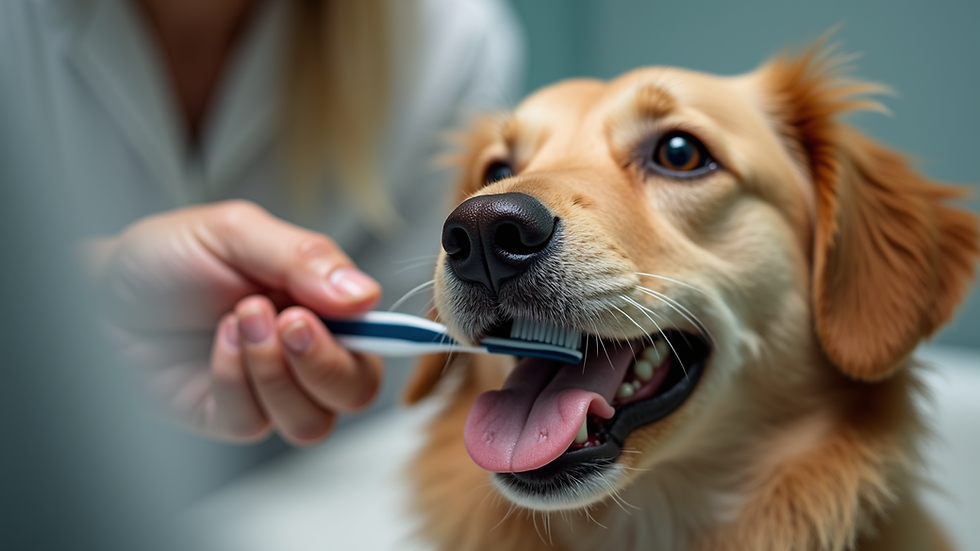
Combine with brushing: Mouthwash is a supplement, not a replacement for regular tooth brushing and professional dental check-ups.
By following these steps, you can safely incorporate mouthwash into your pet’s oral hygiene routine and enjoy the benefits of fresher breath and healthier teeth.
What mouthwash can I use on my dog?
When it comes to dogs, the market offers several safe and effective options. Look for products that are:
Alcohol-free: Alcohol can dry out and irritate your dog’s mouth.
Chlorhexidine-based: This ingredient is commonly used in veterinary dental products for its antibacterial properties.
Natural and herbal: Some mouthwashes contain ingredients like aloe vera, neem, or green tea extract, which can soothe gums and reduce bacteria.
Vet-approved: Always check if the product is recommended or approved by veterinarians.
Popular brands often provide detailed ingredient lists and usage instructions. If you’re unsure, consult your vet to find the best mouthwash tailored to your dog’s needs. Remember, some dogs may prefer mouthwashes that can be added to their water bowl, while others tolerate direct application better.

Dog drinking water mixed with safe pet mouthwash
Benefits of Using Mouthwash for Pets
Incorporating a safe mouthwash into your pet’s oral care routine offers several advantages:
Reduces plaque and tartar buildup: Mouthwash helps break down the bacteria that cause plaque, reducing the risk of tartar formation.
Freshens breath: Pets often develop bad breath due to bacteria in the mouth. Mouthwash can neutralize odors and keep breath smelling pleasant.
Promotes gum health: Antibacterial ingredients help prevent gingivitis and inflammation.
Easy to use: For pets that resist brushing, mouthwash can be a less stressful alternative or supplement.
Supports overall health: Good oral hygiene reduces the risk of infections that can affect other organs.
Using a mouthwash designed for pets is a simple step that can make a big difference in your pet’s comfort and well-being.
Tips for Maintaining Your Pet’s Oral Health
While mouthwash is a valuable tool, it works best as part of a comprehensive oral care plan. Here are some additional tips to keep your pet’s mouth healthy:
Regular brushing: Aim to brush your pet’s teeth daily or at least several times a week using a pet toothbrush and toothpaste.
Dental chews and toys: These can help mechanically remove plaque and keep teeth strong.
Healthy diet: Feeding your pet a balanced diet supports oral health. Some pet foods are specially formulated to reduce plaque.
Routine vet visits: Schedule regular dental check-ups and professional cleanings as recommended by your vet.
Watch for signs of dental problems: Bad breath, drooling, difficulty eating, or swollen gums may indicate dental issues needing veterinary attention.
By combining these practices with a safe pet mouthwash, you can help your pet enjoy a healthy mouth and a happier life.
Taking care of your pet’s oral health is a loving gesture that pays off in many ways. If you want to explore options for mouth wash for pets, make sure to choose products that prioritize safety and effectiveness. Your pet’s smile will thank you!


Comments