

The Ultimate Pet Mouthwash Guide: Safely Using Mouthwash for Pets

Caring for our pets means paying attention to every aspect of their health, including their oral hygiene. Just like us, pets can suffer from dental problems such as bad breath, plaque buildup, and gum disease. Using mouthwash designed for pets can be a helpful addition to their dental care routine. However, it is essential to use these products safely and correctly to protect your furry friend’s health. In this guide, I will share everything you need to know about safely using mouthwash for pets, including practical tips, product recommendations, and common precautions.
Understanding the Importance of Oral Hygiene in Pets: A Pet Mouthwash Guide
Oral health is often overlooked in pets, but it plays a crucial role in their overall well-being. Poor dental hygiene can lead to painful infections, tooth loss, and even affect vital organs through bacteria entering the bloodstream. Regular brushing, dental chews, and professional cleanings are excellent ways to maintain your pet’s oral health. Mouthwash can complement these efforts by reducing bacteria and freshening breath.
When choosing a mouthwash for your pet, it is important to select one specifically formulated for animals. Human mouthwashes often contain ingredients like alcohol or xylitol, which can be toxic to pets. A pet mouthwash guide helps you understand the safe options and how to use them effectively.

Keeping your pet hydrated supports oral health naturally.
How to Safely Use Mouthwash for Pets
Using mouthwash for pets requires care and patience. Here are some steps to ensure safe and effective use:
Consult Your Veterinarian First
Before introducing any new dental product, including mouthwash, talk to your vet. They can recommend the best product based on your pet’s health and dental condition.
Choose the Right Product
Use only mouthwash designed for pets. These products are free from harmful chemicals and often contain natural ingredients that soothe gums and reduce plaque.
Introduce Gradually
Pets may be wary of new tastes or sensations. Start by letting your pet sniff the mouthwash. Then, try applying a small amount on their gums with a soft cloth or your finger.
Follow Instructions Carefully
Each product will have specific usage guidelines. Some mouthwashes are added to drinking water, while others are applied directly to the teeth and gums.
Monitor Your Pet
Watch for any signs of discomfort, allergic reactions, or unusual behavior after using mouthwash. If you notice anything concerning, stop use and consult your vet.
Maintain a Routine
Consistency is key. Use the mouthwash as recommended, usually a few times a week, to see the best results.
What Mouthwash Can I Use on My Dog?
When it comes to selecting a mouthwash for your dog, safety and effectiveness are paramount. Here are some pointers to help you choose:
Look for Alcohol-Free Formulas
Alcohol can irritate your dog’s mouth and cause dryness. Alcohol-free mouthwashes are gentler and safer.
Natural Ingredients Are Best
Ingredients like aloe vera, chamomile, and neem have soothing and antibacterial properties without harsh chemicals.
Avoid Toxic Substances
Never use mouthwash containing xylitol, fluoride, or essential oils that are toxic to dogs.
Water Additives vs. Topical Sprays
Some mouthwashes are designed to be added to your dog’s water bowl, making it easy to use. Others are sprays or gels applied directly to the teeth.
Vet-Recommended Brands
While I won’t promote specific brands, always choose products that have veterinary approval or positive reviews from pet health professionals.
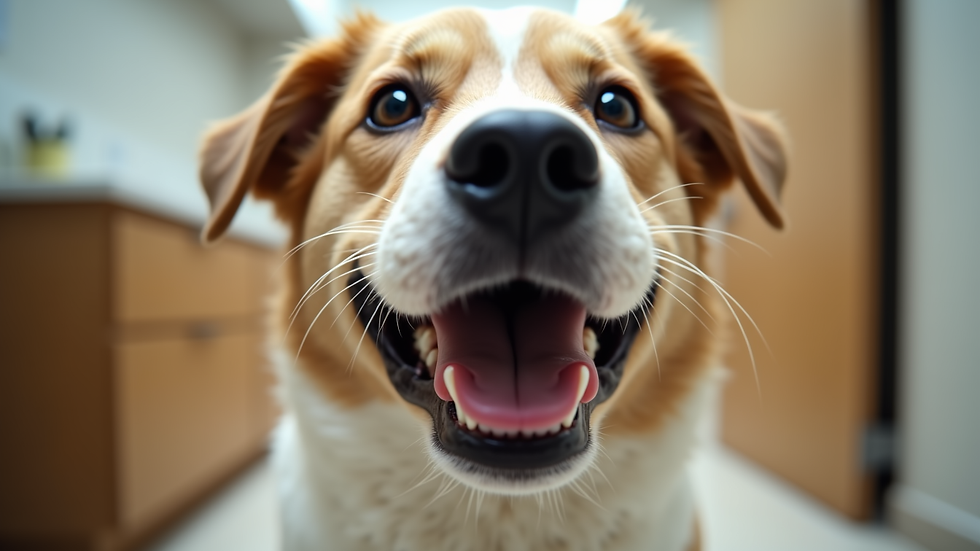
Regular dental care helps maintain your dog’s bright and healthy smile.
Additional Tips for Maintaining Your Pet’s Oral Health
Mouthwash is just one part of a comprehensive dental care routine. Here are some additional tips to keep your pet’s mouth healthy:
Brush Their Teeth Regularly
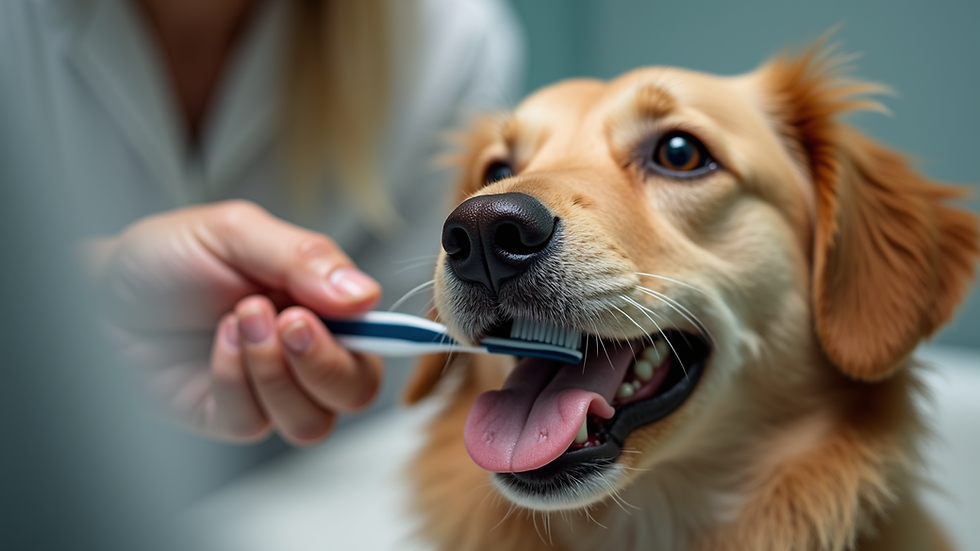
Use a pet-specific toothbrush and toothpaste. Brushing removes plaque and prevents tartar buildup.
Provide Dental Chews and Toys
Chewing helps clean teeth naturally and massages gums.
Schedule Professional Cleanings
Regular vet visits for dental checkups and cleanings are essential, especially for older pets.
Watch Their Diet
A balanced diet supports oral health. Avoid sugary treats and table scraps that can contribute to dental problems.
Observe for Signs of Dental Issues
Bad breath, drooling, difficulty eating, or pawing at the mouth can indicate dental problems needing veterinary attention.
Encouraging a Positive Experience with Mouthwash
Introducing mouthwash to your pet can be a smooth process with the right approach:
Make It a Rewarding Experience
Use treats and praise to create positive associations with mouthwash application.
Be Patient and Gentle
Some pets may take time to get used to the sensation. Go slow and keep sessions short.
Use Flavored Mouthwash
Some pet mouthwashes come in flavors like poultry or beef, which can make the experience more pleasant.
Involve the Whole Family
If multiple family members care for your pet, ensure everyone follows the same routine for consistency.
By following these tips, you can help your pet enjoy their dental care routine and maintain a healthy mouth.
Caring for Your Pet’s Smile Every Day
Oral health is a vital part of your pet’s overall wellness. Using a mouth wash for pets safely and effectively can make a big difference in preventing dental diseases and keeping your pet comfortable. Remember, the key is to choose the right product, use it correctly, and combine it with other dental care practices.
Your pet’s smile is a reflection of their health and happiness. With gentle care and attention, you can ensure they enjoy a lifetime of healthy teeth and fresh breath.

Using the right dental care products supports your pet’s oral health routine.
I hope this guide helps you feel confident about safely using mouthwash for your beloved pet. Their health and happiness are worth every effort!


Comments