

Safe Mouth Wash Options for Pets: Exploring Pet Oral Hygiene Options

Taking care of our pets means paying attention to every aspect of their health, including their oral hygiene. Just like us, pets can suffer from dental problems such as plaque buildup, bad breath, and gum disease. Maintaining good oral hygiene is essential for their overall well-being. One effective way to support your pet’s dental health is by using safe and appropriate mouth wash options designed specifically for them. In this post, I will share insights into pet oral hygiene options, focusing on safe mouth wash choices that can help keep your furry friend’s mouth clean and healthy.
Understanding Pet Oral Hygiene Options
Oral hygiene for pets is often overlooked, but it plays a crucial role in preventing dental diseases. Pets, especially dogs and cats, can develop tartar and plaque just like humans. If left untreated, these can lead to painful infections and even affect their heart and kidneys.
There are several pet oral hygiene options available, including:
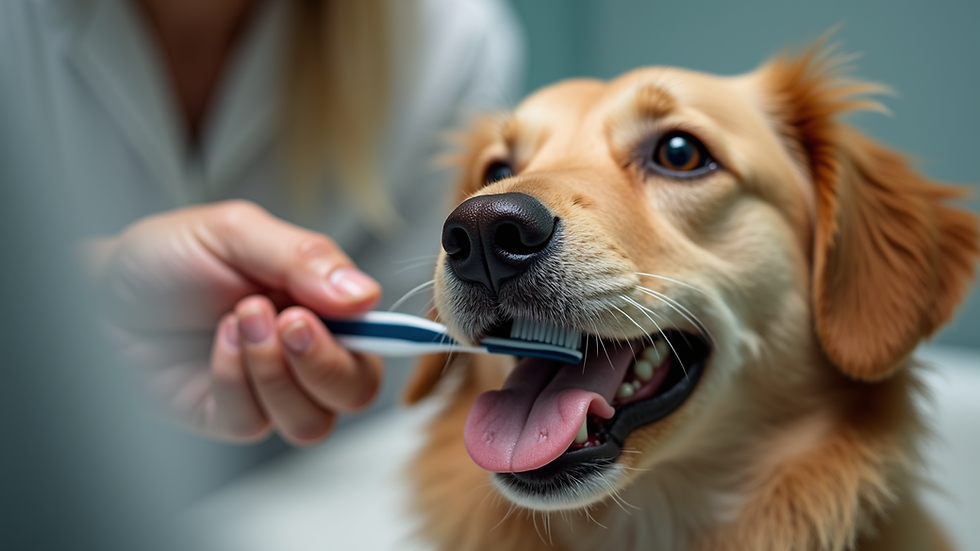
Brushing their teeth: Using a pet-friendly toothbrush and toothpaste.
Dental chews and treats: Designed to reduce plaque and freshen breath.
Professional dental cleanings: Performed by veterinarians.
Mouth wash for pets: Specially formulated rinses that help reduce bacteria and maintain oral health.
Each of these options can be part of a comprehensive dental care routine. However, not all human dental products are safe for pets, so it’s important to choose products made specifically for them.

Regular dental care helps maintain your pet’s healthy teeth and gums.
Why Oral Hygiene Matters for Pets
Good oral hygiene is more than just preventing bad breath. It directly impacts your pet’s quality of life. Poor dental health can cause:
Pain and discomfort while eating
Tooth loss
Gum infections
Systemic infections affecting the heart, liver, and kidneys
Pets often hide their pain, so it’s important to be proactive. Regular dental care, including the use of safe mouth wash options, can help prevent these issues. Additionally, maintaining oral hygiene can improve your pet’s appetite and energy levels.
What mouthwash can I use on my dog?
When it comes to choosing a mouthwash for your dog, safety is the top priority. Many human mouthwashes contain ingredients like alcohol, xylitol, or fluoride, which can be toxic to pets. Therefore, it’s essential to use products specifically formulated for animals.
Here are some guidelines for selecting a safe mouthwash for your dog:
Look for veterinary-approved products: These are tested for safety and effectiveness.
Avoid alcohol-based mouthwashes: Alcohol can irritate your pet’s mouth and cause toxicity.
Choose enzymatic formulas: Enzymatic mouthwashes help break down plaque and reduce bacteria naturally.
Check for natural ingredients: Ingredients like aloe vera, chamomile, and neem can soothe gums and fight bacteria.
Consult your veterinarian: Before introducing any new oral care product, get professional advice.
Using a mouthwash designed for pets can be as simple as adding it to their water bowl or applying it directly to their teeth and gums with a cotton ball or soft brush.

Adding pet-safe mouthwash to water can help maintain oral health.
How to Use Mouth Wash for Pets Safely
Introducing mouthwash to your pet’s routine requires patience and care. Here are some practical steps to ensure safe and effective use:
Start slowly: Let your pet get used to the taste and smell by offering small amounts.
Follow product instructions: Use the recommended dosage and frequency.
Use as a supplement: Mouthwash should complement brushing and dental chews, not replace them.
Monitor your pet: Watch for any signs of irritation or allergic reactions.
Avoid swallowing: While many pet mouthwashes are safe if swallowed in small amounts, it’s best to minimize ingestion.
Consistency is key. Regular use of mouthwash can reduce plaque buildup and freshen breath, making dental care easier for both you and your pet.
Additional Tips for Maintaining Your Pet’s Oral Health
Besides using mouthwash, there are other ways to support your pet’s dental hygiene:
Brush their teeth regularly: Aim for at least 2-3 times a week using pet toothpaste.
Provide dental chews: These help mechanically clean teeth and stimulate gums.
Schedule veterinary dental check-ups: Professional cleanings may be necessary annually.
Feed a balanced diet: Some pet foods are formulated to reduce plaque.
Encourage chewing on safe toys: Chewing helps keep teeth clean naturally.
By combining these methods with safe mouth wash options, you can create a comprehensive oral care routine that keeps your pet’s mouth healthy and comfortable.
Caring for Your Pet’s Smile Every Day
Oral health is a vital part of your pet’s overall wellness. Using safe and effective mouth wash options is a gentle way to support their dental hygiene. Remember, the best mouth wash for pets is one that is specifically designed for their needs, free from harmful ingredients, and used consistently as part of a broader dental care plan.
If you want to explore safe and effective mouth wash for pets, always consult your veterinarian to find the best product for your furry friend. With the right care, you can help your pet enjoy a happy, healthy smile for years to come.

Dental chews complement mouthwash in maintaining pet oral hygiene.
Taking these steps will not only improve your pet’s dental health but also strengthen the bond you share through attentive and loving care.



Comments