

Safe Pet Mouthwash: Caring for Your Pet’s Oral Health
- Dr Karnati

- Jan 12
- 4 min read
As a devoted pet parent, I understand how important it is to keep our furry friends healthy and happy. One often overlooked aspect of pet care is oral hygiene. Just like us, pets can suffer from dental problems such as bad breath, plaque buildup, and gum disease. Using a safe pet mouthwash can be a gentle and effective way to maintain your pet’s oral health between professional cleanings. In this post, I’ll share everything you need to know about choosing and using mouthwash for your pets safely and effectively.
Why Safe Pet Mouthwash Matters
Oral health is crucial for pets because dental issues can lead to pain, difficulty eating, and even infections that affect other organs. Many pet owners focus on brushing their pet’s teeth, but mouthwash can be a helpful addition to the routine. However, not all mouthwashes are created equal. Human mouthwashes often contain ingredients that are toxic to pets, such as alcohol, xylitol, or essential oils.
Choosing a safe pet mouthwash means selecting products specifically formulated for animals. These products are designed to be gentle, non-toxic, and effective at reducing bacteria and freshening breath. Using the right mouthwash can:
Reduce plaque and tartar buildup
Prevent gum inflammation and infections
Improve your pet’s breath naturally
Support overall oral hygiene between vet visits
By incorporating a safe mouthwash into your pet’s dental care, you’re helping to extend their comfort and well-being.

How to Use Mouthwash for Pets Safely
Introducing mouthwash to your pet’s routine requires patience and care. Here are some practical tips to ensure a positive experience:
Choose the right product: Always use a mouthwash made for pets. Avoid human products or homemade recipes unless approved by your vet.
Start slowly: Let your pet sniff and taste a small amount first. Reward them with praise or treats to create a positive association.
Follow instructions: Use the recommended dosage and frequency. Most pet mouthwashes are designed to be added to water bowls or applied with a cotton ball or finger brush.
Monitor your pet: Watch for any signs of discomfort, allergic reactions, or digestive upset. If you notice anything unusual, stop use and consult your vet.
Combine with brushing: Mouthwash is a supplement, not a replacement for regular tooth brushing and professional cleanings.
Consistency is key. Over time, your pet will get used to the routine, and you’ll notice fresher breath and healthier gums.
What mouthwash can I use on my dog?
When it comes to dogs, there are several safe options available that are both effective and pet-friendly. Look for mouthwashes that contain natural ingredients such as:
Chlorhexidine: A common antiseptic that helps reduce bacteria and plaque.
Cetylpyridinium chloride: Another antibacterial agent safe for dogs.
Aloe vera and neem: Natural soothing agents that promote gum health.
Enzymes: Help break down plaque and freshen breath naturally.
Avoid any product with alcohol, fluoride, or artificial sweeteners like xylitol, which are toxic to dogs. Some popular brands offer veterinary-approved mouthwashes that you can find online or at pet stores.
You can also use a mouth wash for pets designed specifically for dogs, which often comes in flavors like poultry or beef to make the experience more enjoyable.

Homemade vs. Commercial Mouthwash: What’s Best?
Many pet owners wonder if they can make their own mouthwash at home. While some natural ingredients like diluted baking soda or chamomile tea can be safe in small amounts, homemade solutions lack the scientific testing and safety guarantees of commercial products.
Pros of commercial mouthwash:
Formulated for safety and effectiveness
Tested for pet use
Often contain beneficial enzymes and antiseptics
Easy to use and store
Pros of homemade mouthwash:
Control over ingredients
Cost-effective
Natural and chemical-free
If you prefer homemade options, always consult your vet first. Avoid essential oils, strong herbs, or anything that could irritate your pet’s mouth or digestive system. For most pet owners, a trusted commercial mouthwash is the safest and most reliable choice.
Additional Tips for Maintaining Your Pet’s Oral Health
Using mouthwash is just one part of a comprehensive dental care routine. Here are some additional steps you can take to keep your pet’s mouth healthy:
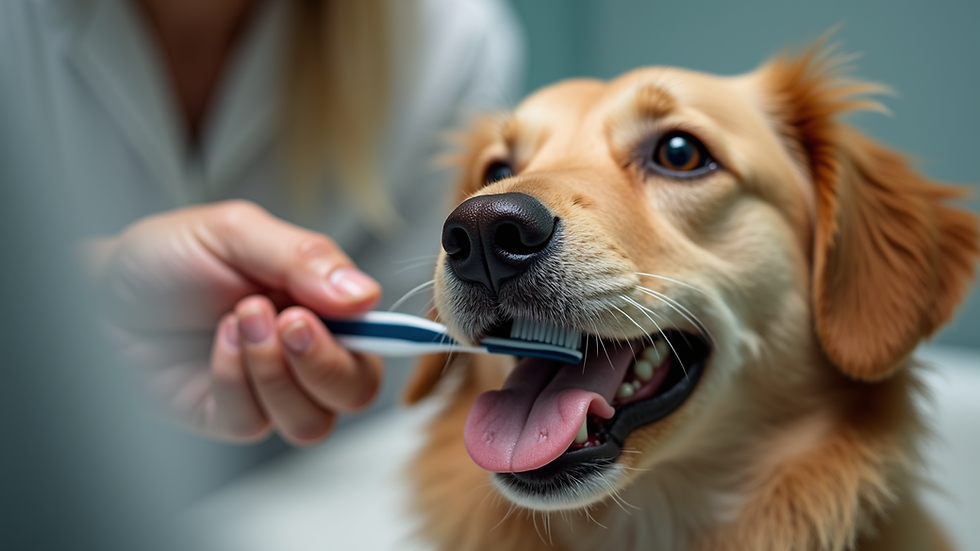
Regular tooth brushing: Use a pet-specific toothbrush and toothpaste. Brush at least 2-3 times a week.
Dental chews and toys: These help reduce plaque and keep teeth strong.
Healthy diet: Feed your pet balanced meals that support dental health. Avoid sugary treats.
Routine vet check-ups: Schedule dental exams and professional cleanings as recommended.
Watch for signs of dental problems: Bad breath, drooling, difficulty eating, or red gums require prompt attention.
By combining these practices with a safe pet mouthwash, you’re giving your pet the best chance at a healthy mouth and a happy life.
Encouraging Your Pet to Enjoy Oral Care
Oral care can be a challenge, especially if your pet is not used to it. Here are some gentle ways to encourage your pet to accept mouthwash and other dental care:
Make it a positive experience with treats and praise.
Use flavored mouthwashes that appeal to your pet’s taste buds.
Keep sessions short and calm to avoid stress.
Incorporate oral care into your daily bonding time.
Be patient and consistent – habits take time to form.
Remember, your calm and kind approach will help your pet feel safe and comfortable during oral care routines.
Taking care of your pet’s oral health is a loving investment in their overall well-being. By choosing a safe pet mouthwash and combining it with good dental habits, you can help your furry friend enjoy fresh breath, healthy gums, and a happy smile for years to come. If you’re ever unsure about which product to use or how to start, don’t hesitate to reach out to your veterinarian for personalized advice. Your pet deserves the best care, and a healthy mouth is a great place to start!


Comments