

Essential Tips for Maintaining Pet Dental Health: Pet Dental Care Tips

Taking care of your pet’s dental health is just as important as their overall well-being. Healthy teeth and gums can prevent pain, infections, and even more serious health issues down the line. As a pet owner, I’ve learned that maintaining good dental hygiene for my furry friends requires consistent effort and the right knowledge. In this post, I’ll share essential pet dental care tips that can help you keep your pet’s smile bright and healthy.
Why Pet Dental Care Tips Matter
Dental problems in pets are more common than many realize. Issues like tartar buildup, gum disease, and tooth decay can cause discomfort and lead to other health complications such as heart or kidney disease. Regular dental care not only improves your pet’s quality of life but also helps you avoid costly veterinary treatments.
Pets, especially dogs and cats, don’t always show obvious signs of dental pain. They might eat less, drool excessively, or have bad breath. These subtle signs mean it’s crucial to be proactive with their dental care. By following simple pet dental care tips, you can catch problems early and maintain your pet’s oral health effectively.

Close-up view of a dog’s healthy teeth and gums
Daily Dental Hygiene Practices for Pets
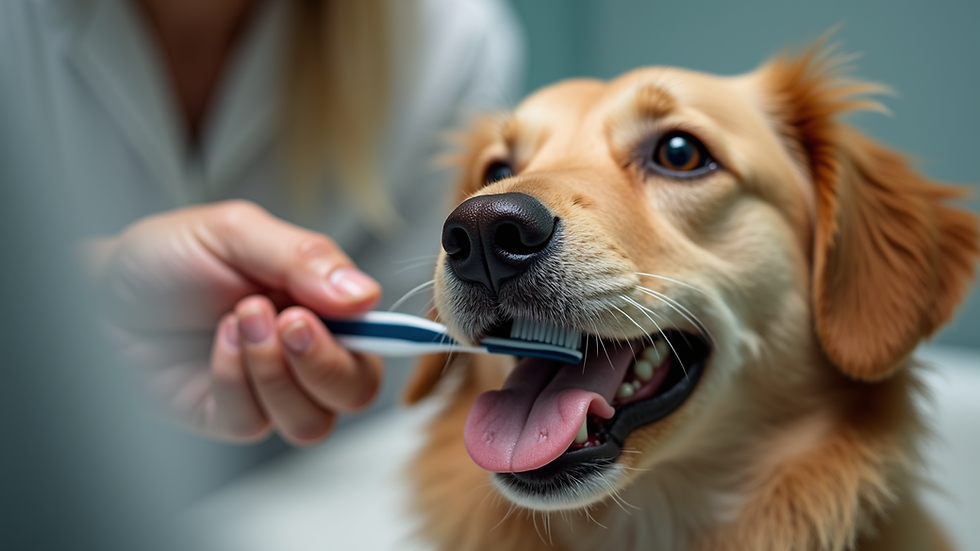
One of the best ways to maintain your pet’s dental health is through daily care. Brushing your pet’s teeth might sound challenging, but with patience and the right tools, it becomes a manageable routine.
Choose the right toothbrush and toothpaste: Use a toothbrush designed for pets, which usually has softer bristles and a smaller head. Never use human toothpaste, as it contains ingredients harmful to pets. Instead, opt for pet-specific toothpaste available at pet stores or veterinary clinics.
Start slowly: Introduce brushing gradually. Let your pet sniff and taste the toothpaste first. Then, gently brush a few teeth at a time, increasing the duration as your pet gets comfortable.
Be consistent: Aim to brush your pet’s teeth at least 3-4 times a week. Daily brushing is ideal but even a few times a week can make a significant difference.
Use dental wipes or pads: If brushing is not possible, dental wipes can help remove plaque and freshen breath.
Regular brushing helps reduce plaque buildup and prevents tartar formation, which are the main causes of dental disease.
Choosing the Right Diet and Chews for Dental Health
Diet plays a crucial role in your pet’s dental hygiene. Certain foods and treats can help keep teeth clean and gums healthy.
Dry kibble vs. wet food: Dry kibble can help scrape off plaque from teeth as your pet chews, while wet food tends to stick to teeth more easily. Consider incorporating dental-specific dry food formulated to reduce plaque and tartar.
Dental chews and toys: Chewing on dental treats and toys stimulates saliva production, which naturally cleans the mouth. Look for products approved by veterinary dental associations to ensure safety and effectiveness.
Avoid sugary treats: Just like in humans, sugary foods can promote bacterial growth and tooth decay in pets.
Incorporating these dietary choices supports your pet’s oral health and complements your brushing routine.

Eye-level view of a dog chewing on a dental chew toy
Recognizing Signs of Dental Problems Early
Being able to spot early signs of dental issues can save your pet from discomfort and expensive treatments. Here are some symptoms to watch for:
Bad breath: Persistent foul odor is often the first sign of dental disease.
Red or swollen gums: Healthy gums should be pink and firm.
Difficulty eating or dropping food: Painful teeth or gums can make chewing uncomfortable.
Excessive drooling: This can indicate oral pain or infection.
Loose or missing teeth: A sign of advanced dental disease.
Pawing at the mouth or face: Pets may try to relieve discomfort this way.
If you notice any of these signs, schedule a veterinary dental checkup promptly. Early intervention can prevent more serious problems.
Professional Dental Care: When and Why It’s Needed
While home care is essential, professional dental cleanings are sometimes necessary. Vets can perform thorough cleanings under anesthesia, removing tartar below the gum line and checking for hidden issues.
Frequency: Most pets benefit from professional cleanings once a year, but some may need them more often depending on their dental health.
What to expect: The vet will examine your pet’s mouth, clean the teeth, polish them, and may take dental X-rays to assess the roots and bone.
Additional treatments: In some cases, tooth extractions or other procedures may be required.
Regular veterinary dental visits complement your home care routine and ensure your pet’s mouth stays healthy.
Creating a Dental Care Routine That Works
Consistency is key to maintaining your pet’s dental health. Here are some tips to help you build a routine:
Set a schedule: Choose a time of day that works best for brushing or dental care.
Make it positive: Use treats and praise to create a positive association with dental care.
Use reminders: Set phone alarms or calendar alerts to keep on track.
Educate family members: Ensure everyone involved in your pet’s care knows the importance of dental hygiene.
Monitor progress: Keep an eye on your pet’s teeth and gums regularly.
By making dental care a regular part of your pet’s life, you help them enjoy a healthier, happier life.
If you want to explore more about pet dental health tips, there are many resources available online that provide detailed guidance and product recommendations.
Supporting Your Pet’s Overall Well-being Through Dental Care
Good dental health is a foundation for your pet’s overall wellness. Healthy teeth and gums contribute to better nutrition, comfort, and longevity. By investing time and care into your pet’s dental hygiene, you’re showing love and commitment to their health.
Remember, every pet is unique. Some breeds are more prone to dental issues, and age can also affect dental health. Regular checkups and personalized advice from your veterinarian will help you tailor the best dental care plan for your furry companion.
Taking these steps not only prevents dental disease but also strengthens the bond you share with your pet through gentle care and attention.
Maintaining your pet’s dental health is a rewarding journey that benefits both you and your beloved companion. With patience, the right tools, and consistent care, you can ensure your pet’s smile stays bright and their mouth stays healthy for years to come.



Comments